You've tried the apps. Breathing exercises. Journaling. Meditation. You know the drill. The problem isn't effort — it's where the effort is aimed. Your nervous system learned a pattern under real pressure, and it's still running it on autopilot. Until you work with the pattern directly, the loop keeps repeating.
Book a Free Discovery Call
You're not lazy. You're not weak. You're not "not trying hard enough." Your nervous system got stuck in a loop. And everything you've tried so far? It was aimed at your mind. The problem is in your wiring.
3 AM. Eyes open. Mind racing through every worst-case scenario. You're exhausted but your body won't let you rest. Nobody's calling this a diagnosis. This is a nervous system still running threat-detection at 3 AM, long after the threat is gone. And no amount of melatonin is going to talk it down.
Emotional flatline. Going through the motions. Smiling when you're supposed to. That numbness isn't peace. It's your system in full shutdown. It chose "feel nothing" over "feel everything." And now you're trapped behind the glass.
The rage comes from nowhere. Fine to furious in 2 seconds flat. Then the guilt hits like a truck. You're not an angry person. Your system is running on a hair trigger because it never came down from the last threat.
Chronic tension. Jaw clenching. Pain that tracks your stress level like a dashboard. Doctors say nothing's wrong. But your body is screaming. Because your nervous system is amplifying every signal to max volume.
Except you flinch at things that shouldn't be scary. Your chest tightens in safe rooms. You brace for impact in moments that don't require it. Your body didn't get the memo that the threat is over. It's still running protection for something that already happened.
You perform. You crush it at work. You show up for everyone else. And the cost is everything. You don't need another coping strategy. You don't need another app. You need the pattern to stop running.
Your nervous system learned a survival pattern. Something happened. It activated. And it never turned off. Every technique you've tried talks to your conscious mind. The pattern runs underneath it. Here's how we break the loop. For good.
Every stuck reaction has a specific trigger. Not "stress" in general. The exact moment your system flips into anxiety, rage, shutdown, or pain. We find it. We name it. When you can see the pattern clearly, it stops feeling like "this is just who I am." It's not who you are. It's what got installed.
In session, we bring the pattern into the room on purpose. Then we work with it in real time using somatic tapping, hypnosis, and NLP. Your body drops the tension. Your breathing changes. The loop that's been running for months or years starts to quiet down. You feel the shift happen in your body.
Breaking the pattern once isn't enough. We lock in a new baseline your nervous system can access under real pressure. Not in a quiet room. Not in ideal conditions. When life actually hits. That's when the shift proves itself. That's when you know it's real.
"The problem was never your willpower. It was a nervous system stuck in a loop it couldn't exit on its own."
We didn't invent these tools. Here's some of the published research behind the techniques used in this work.
A single hour of EFT tapping reduces cortisol by 43%. Published in the Journal of Nervous and Mental Disease, 2012.
Hypnosis for pain and stress management has been studied since 1843 — one of the oldest evidence-informed tools in this space.
50 to 70 million US adults report trouble sleeping, according to the CDC. If your nights look like that, you're in very large company.
EFT tapping has been examined in over 100 clinical trials looking at stress, performance, and emotional regulation.
These are general research findings about the techniques themselves, not a description of what this work will do for you. Individual results vary, and nothing here is a promise of any specific outcome.
No vague "wellness plans." No 6-month open-ended talk sessions. You tell us what's destroying your quality of life. We build a protocol to end it.
Years inside my own nervous system chaos. The kind of anxiety that looks fine from the outside but eats you alive quietly. I know what it feels like when your body won't let you rest. When your mind won't stop running scenarios. When you smile at people and feel absolutely nothing behind it.
I studied everything. Read the research. Tried the protocols. But the thing that actually shifted wasn't a theory. It was the real-time moment where my body learned a new response under actual pressure. Not in a classroom. Not reading a book. In the fire.
That's what I do now. I find the pattern. I interrupt it live. And I help people install a response that actually holds when life gets hard.
I'm also a support-needs parent. When my son was diagnosed with autism, I realized pretty quickly that the tools out there weren't built for families like ours. The apps didn't fit. The systems didn't understand what we actually needed day to day. So I started building my own. That's where the technology side of Quantum Neuroshift comes from. Real problems. Real solutions. No fluff.
Nervous system work for people stuck in repeating patterns. Anxiety loops, shutdown, pain flare-ups, sleep disruption, emotional reactivity. We find the pattern your body runs under pressure, work with it using guided regulation, somatic tapping, hypnosis, NLP, and EFT, and practice a steadier response. It's not talk therapy and it's not meditation — it's coaching aimed at the automatic pattern rather than the story about it.
Therapy typically works top-down — you talk about the problem, build insight, develop coping strategies. That's real and valuable work. This is coaching, and it works bottom-up: with the automatic reaction itself, the thing that fires before your conscious mind gets a say. Different target, different tools. Plenty of people do both at the same time, and I'm glad when they do.
Depends on the pattern. Phobias often resolve in 1 to 3 sessions. Sleep and anxiety protocols run 5 days with a 14-day stabilization period. Most people feel a noticeable shift in the first session. Not "I think maybe something changed." More like "my body just did something it hasn't done in years." The shift is physical. You feel it.
The techniques have research behind them — EFT has been examined in over 100 clinical trials, and hypnosis has been studied since 1843. That research is about the tools in general, not a prediction of your results. I'd rather tell you that plainly than oversell it.
That's actually who we work with best. If you've done therapy, meds, meditation, breathwork, and journaling and you're still stuck, the problem probably isn't effort. It's target. You've been working on your conscious mind. The pattern lives underneath it. We go after the thing you couldn't reach with willpower. That's the whole point.
Sometimes, especially when pain spikes track your stress, frustration, or sleep disruption. The pain is real. Nobody's saying it isn't. But your nervous system can amplify it when it stays in protection mode. We work on the stress and tension side, alongside your medical care and with your provider's clearance — never instead of it.
30 minutes. We identify the pattern your nervous system is running. The trigger, the loop, the reaction. You'll leave knowing what's happening inside you and whether this work is right for your situation. No pitch. No pressure. If it's not the right fit, I'll tell you that directly. I'd rather you get the right help than buy the wrong thing.
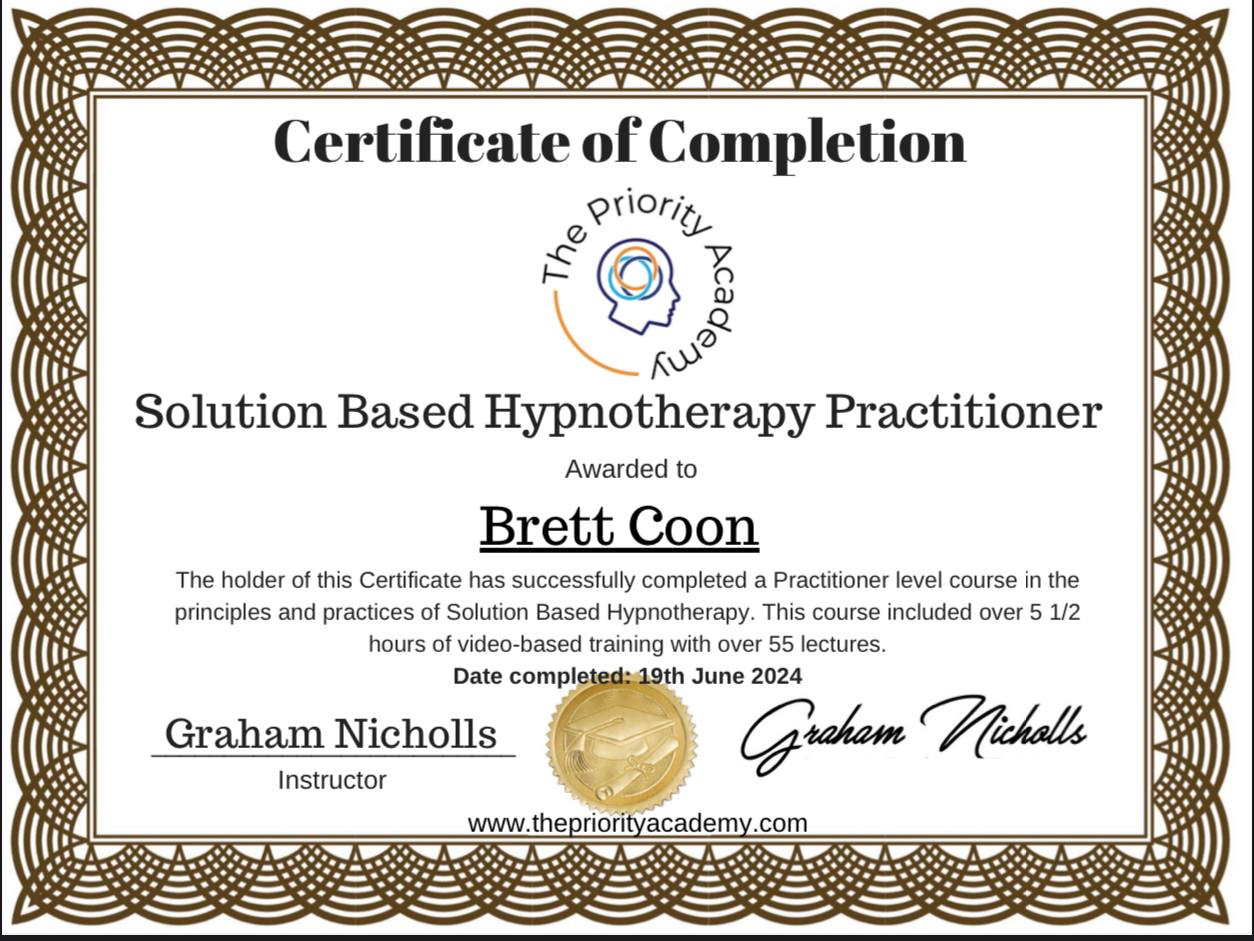
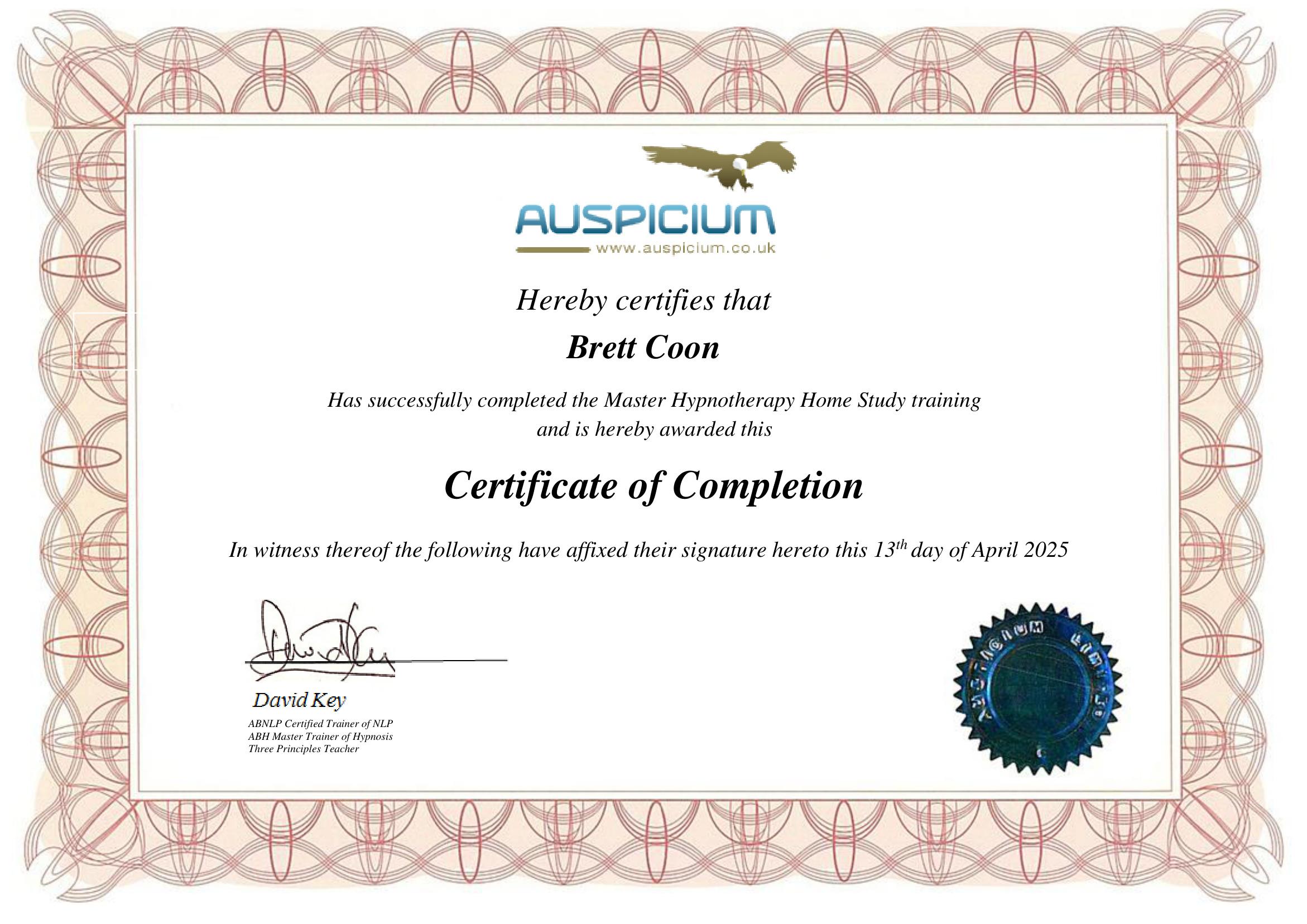
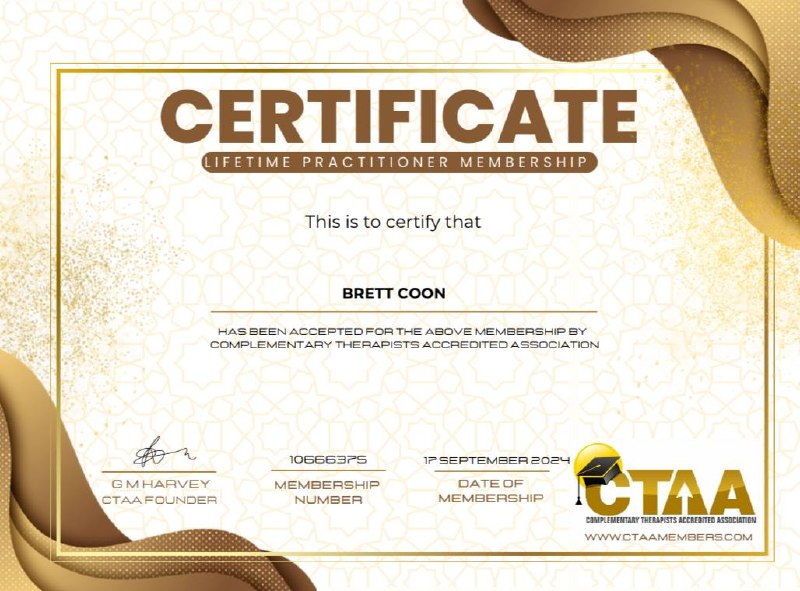
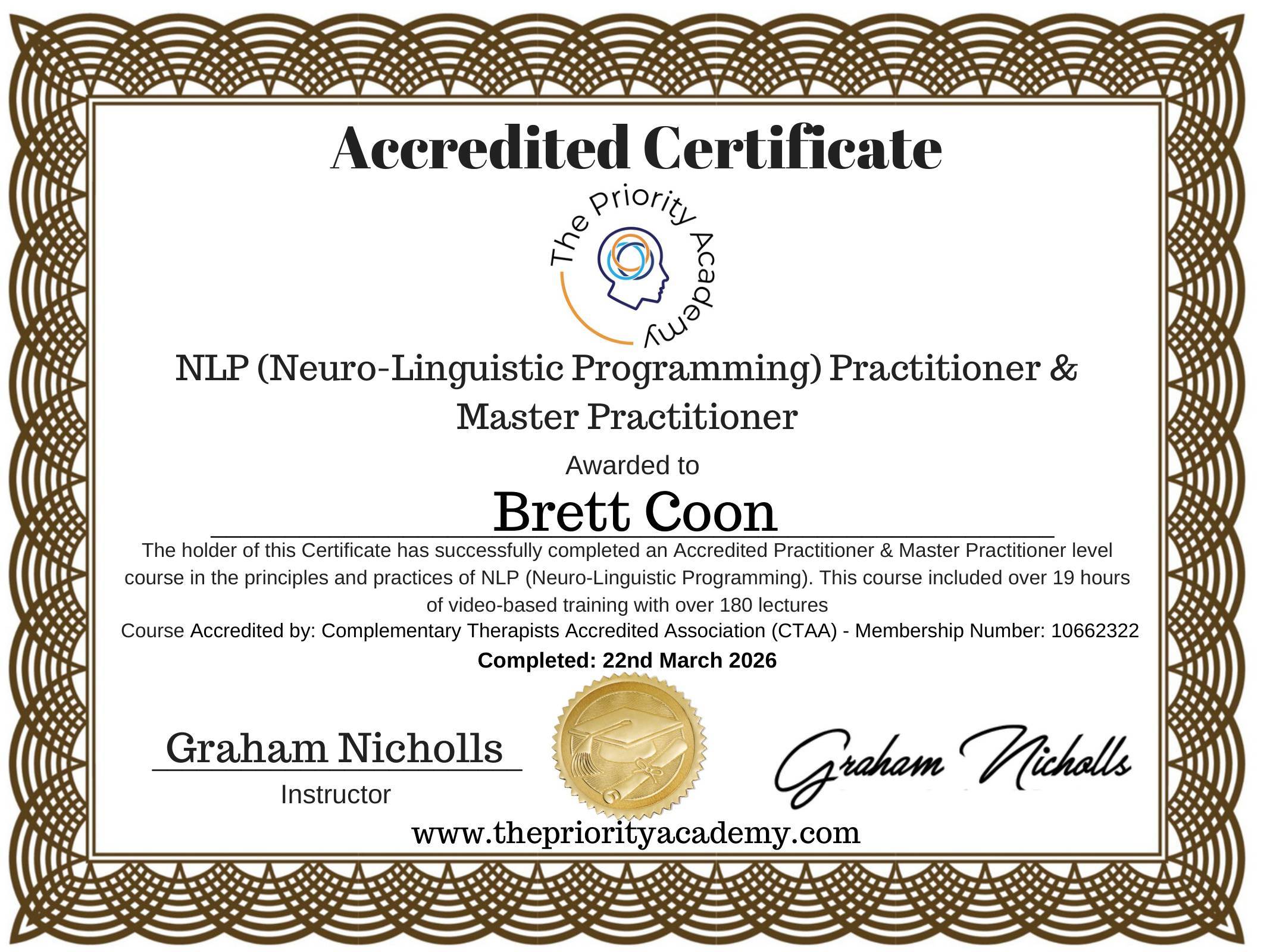
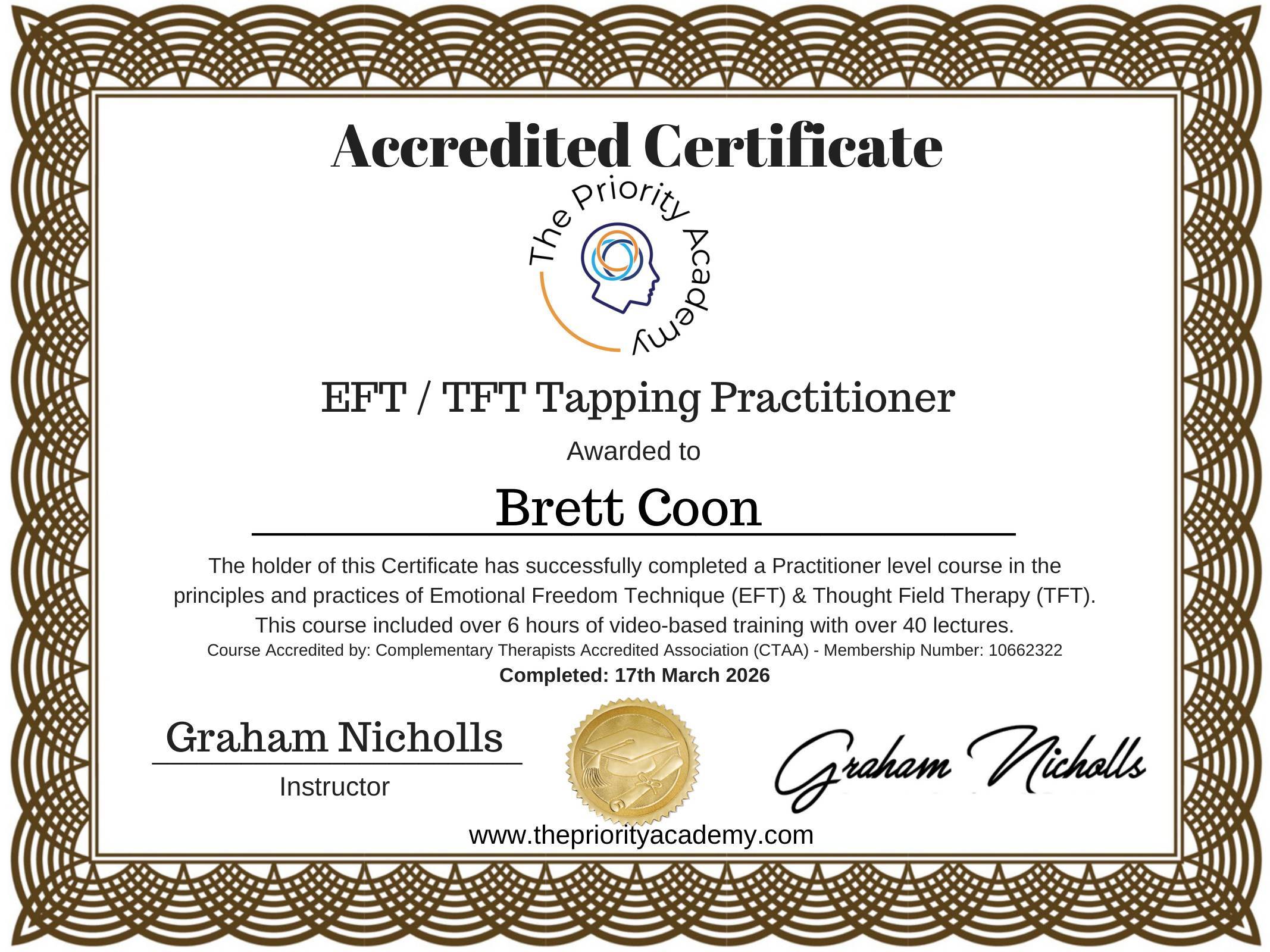
No. I'm a certified hypnotherapy, NLP, and EFT practitioner — not a licensed therapist, counselor, or medical provider. This work is coaching. If you're working with a therapist or physician, this sits alongside that care rather than replacing it, and if what you're dealing with needs licensed care, I'll tell you that directly.
No. Quantum Neuroshift is educational and skills-based nervous system regulation. It is not a substitute for medical care, psychotherapy, or emergency services. If you are in crisis or feel unsafe, contact local emergency support or a licensed provider. What we do complements professional care. It doesn't replace it.